1
Make real life easier.
We focus on skills and changes that make the day safer, smoother, more independent, and more manageable for the learner and family.
Support that fits real life.
Outer Cape ABA was created with a simple belief: families living farther down Cape shouldn’t have to travel farther, wait longer, or have fewer options to access meaningful behavioral support.
Inspired by Nauset Outer Beach—where every path looks a little different and every family deserves support that honors their own way forward.
Applied Behavior Analysis helps us understand how people learn, what influences behavior, how new skills are built, and how the environment can support—or create barriers to—learning, communication, independence, and participation.
We use that science to ask practical questions: What is getting in the way? What is the learner communicating? What support helps this person learn best? What can we teach, model, practice, or change in the environment so everyday life works a little better?
Autism is one important area where that science is applied. At Outer Cape ABA, we pair a deep understanding of human learning and behavior with specialized knowledge of autism. We consider how autism may shape a person’s communication, sensory experiences, regulation, routines, interests, relationships, and experience of the world around them. Our goal is to build skills, supports, and environments that allow each child to participate in life in ways that are meaningful to them.
Before asking how to change a behavior, we ask what the child may be communicating, what the environment is asking of them, and what they need to feel safe, regulated, connected, and ready to learn.
We focus on skills and changes that make the day safer, smoother, more independent, and more manageable for the learner and family.
We learn the person behind the behavior: their communication, sensory needs, preferences, strengths, interests, pace, and what helps them engage.
With the child and the family. Strong relationships, honest conversations, and trust are part of good clinical care—not an extra.
As a mom and a practitioner for more than a decade, I know the urge to “clean up” the behavior before talking to a professional. We minimize. We brush over the parts that are taking a toll at home. We find gentler ways to describe what is happening because we love our kids, and sometimes saying the hard parts out loud feels uncomfortable.
At Outer Cape ABA, you don’t need to do that. We believe behavior provides information and we start with curiosity, not judgment. When we see hitting, biting, scratching, head banging, running away, screaming, grabbing, dropping to the floor, or refusing something completely we ask: What is the learner trying to get, avoid, communicate, change, or cope with?
Then we work to understand the need underneath the behavior and build a safer, easier, and more effective way to meet that same need. That might mean asking for a break, requesting an item, saying “all done,” waiting, taking turns, asking for help, moving away, or communicating a clear and meaningful “no.”
From there, we coach and practice those new skills until they become reliable ways for the learner to communicate and navigate their world. The goal is for the new skill to work better for the learner: more efficiently, more safely, and with less effort, so the harder behavior is no longer the best way to get that need met.
Are they sensory seeking or sensory avoidant? Do they need more movement or less stimulation? Do they lean into new experiences or need more time and predictability? What helps their body feel calm enough to engage?
Sometimes we teach the child a new skill. Sometimes we change the environment. Often, we do both.
A treatment plan should be more than a checklist of skills expected at a certain age or stage. We work alongside the learner and family to identify goals that increase safety, communication, independence, choice, self-advocacy, connection, and access to life.
Meaningful progress won’t look exactly the same for every child. Everyone finds their own path, at their own pace.
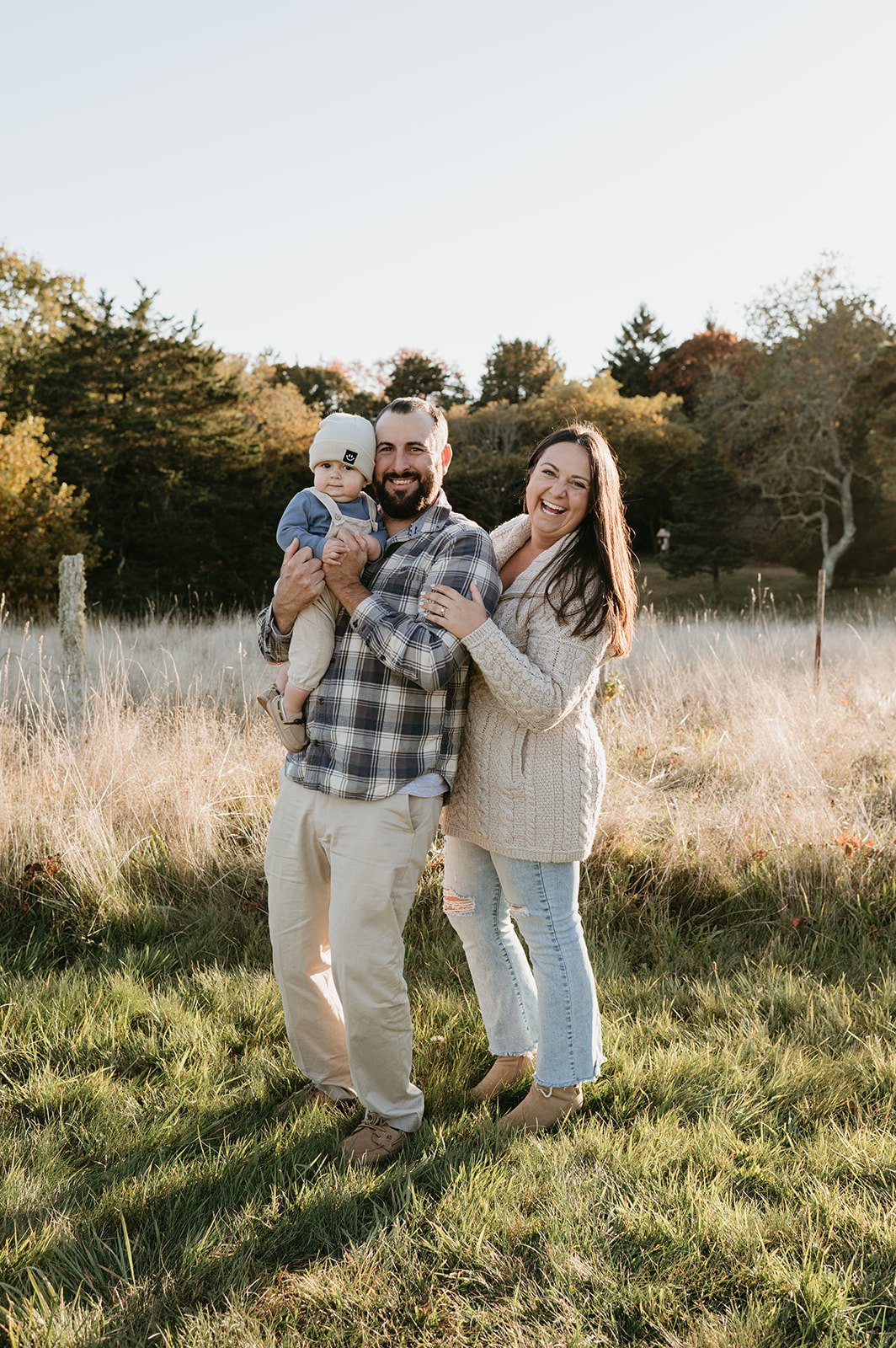
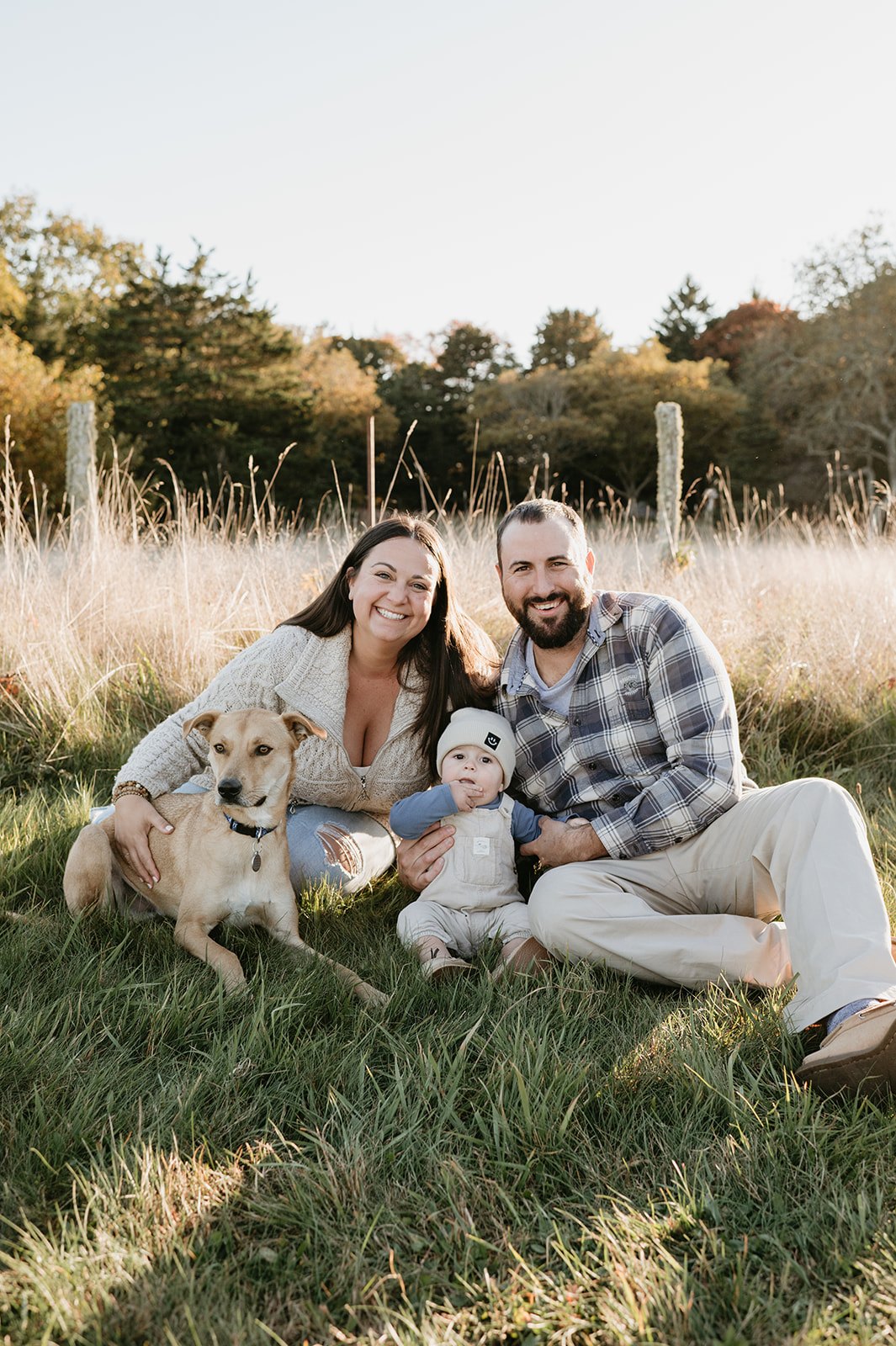
At home. At the playground. Ordering at a restaurant. Getting ready in the morning. Playing alongside a sibling. Exploring the Cape. Learning to use money. Sharing a special interest. Trying something new.
We want skills to work outside a therapy session from the very beginning. That means teaching in natural environments, using interests and everyday routines, and choosing supports the learner can actually use across people and places.
Start with what is happening. I can help you figure out the rest.
For children who may benefit from ongoing behavioral treatment focused on communication, safety, independence, participation, caregiver support, and meaningful real-life goals.
Small caseloads are intentional. Acceptance depends on clinical fit, location, schedule, insurance requirements, and current capacity.
Practical, individualized support for the parts of family life that feel hard right now. We can work through behavior, communication, routines, transitions, safety, independence, sibling concerns, community participation, and other everyday priorities.
Come for one focused concern, meet as needed, or continue for a period of time when ongoing support would be useful.
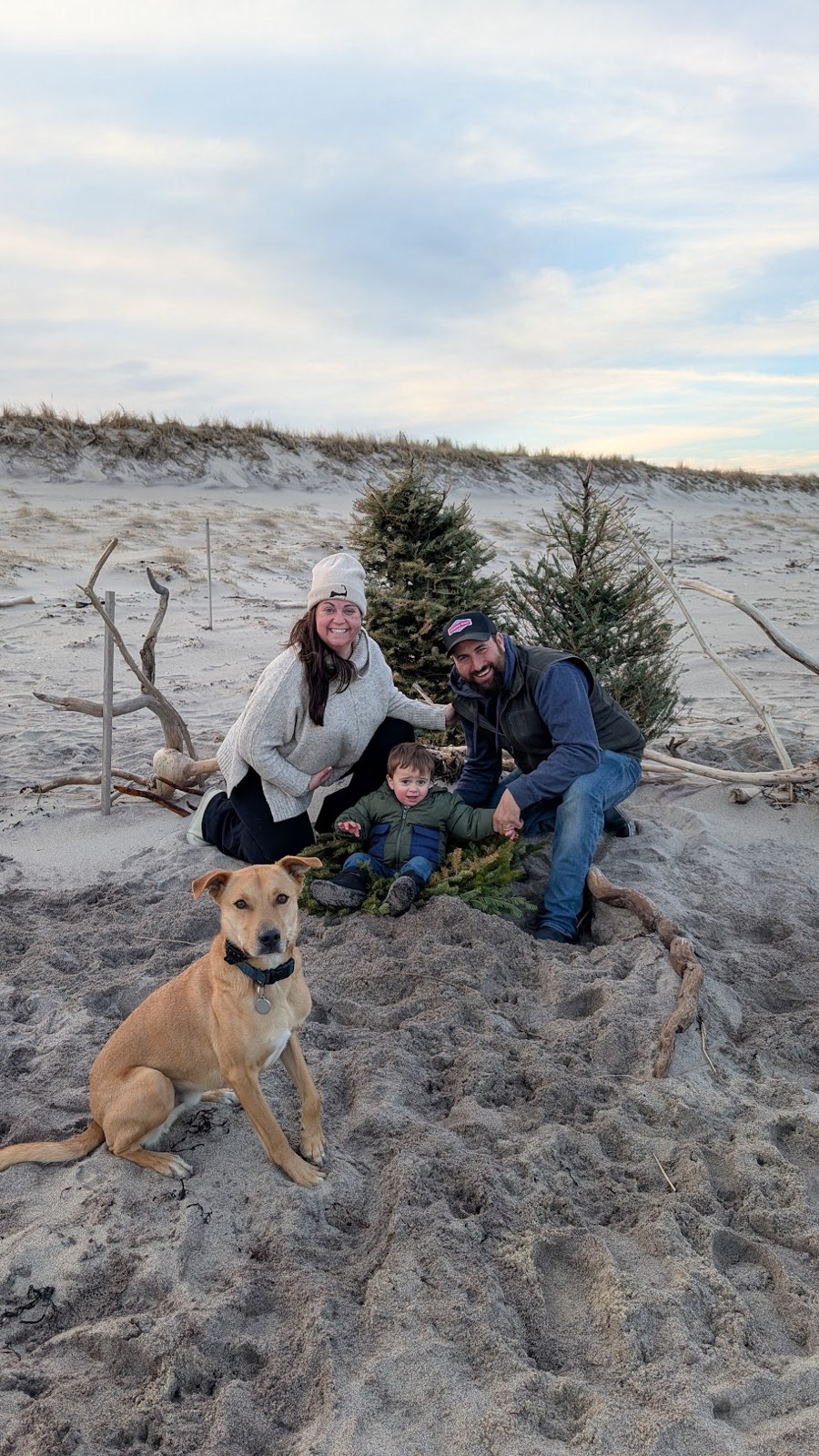
I’m originally from the coastline of Connecticut. I studied psychology with a concentration in behaviorism at the University of Connecticut while also earning a degree in English, following a lifelong love of reading and writing.
I entered the field of ABA in 2015 and was hooked by the chance to watch kids build confidence and communication while families welcomed me in to celebrate their wins and welcomed me into their lives. I went on to earn my Master of Science in Applied Behavior Analysis and became board certified in 2018.
After years of supporting families across Cape Cod and previously founding and leading an ABA organization, I created Outer Cape ABA to bring more thoughtful, relationship-based options farther down Cape.
I want families to feel informed, understood, equipped with tools, and comfortable enough to be honest about what is working and what could use a little more support.
At Outer Cape ABA you will receive thoughtful, individualized care that is deeply embedded in the Cape Cod community and grounded in a practice that keeps learning, reflecting, and evolving.
Not always. Some services may require a formal diagnosis for insurance coverage, but families may also reach out privately for support with communication, routines, independence, transitions, social skills, or challenging behavior. We can talk through what you are seeing and help determine what type of support may make sense.
In-person services are available across the Lower and Outer Cape, from Harwich through Provincetown. Parent consultation may also be available virtually when appropriate.
We’ll start with a conversation about your child, what is going well, what feels difficult, and what you would most like help with. From there, we can discuss whether ABA is appropriate, what services may look like, insurance or private-pay options, and the next steps.
You do not need to clean up the story before reaching out. Difficult behavior is exactly the kind of thing behavioral support is meant to help us understand. Honesty can take time, and trust is built on both sides.
I am here to help create community, too. You do not have to diagnose the problem or choose the perfect service before contacting me. Tell me what is happening and we can figure out the next step together—whether that is ABA services, parent consultation, or collaboration with another professional in my network here on the Cape.
No. Our goal is not to make children appear less autistic or eliminate harmless behaviors simply because they look different. We focus on communication, safety, independence, participation, self-advocacy, and skills that genuinely improve the learner’s quality of life.
Assent-based care means paying attention to a learner’s communication, body language, comfort, willingness, and preferences throughout therapy. We want children to be active participants in their care rather than simply compliant with adults.
Communication does not have to mean spoken words. We support and respect multiple forms of communication, including AAC devices, picture systems, sign language, gestures, and other individualized communication systems.
There is no single number of hours that is right for every child. Recommendations should be based on the learner’s needs, goals, family priorities, available supports, and medical necessity rather than automatically prescribing the maximum number of hours possible.
Yes. With appropriate consent, collaboration may include pediatricians, speech-language pathologists, occupational therapists, mental-health providers, educators, and other members of the child’s care team. We can collaborate with schools and other providers so that everyone supporting the child has a clearer understanding of goals and strategies. School consultation and IEP preparation may also be available as separate services.
Insurance participation is growing. Contact us with your child’s insurance plan and we can help determine current coverage, out-of-network options, single-case agreements, or private-pay services.
In some situations, yes. Private-pay parent consultation may be an option for families who are waiting for an evaluation, insurance approval, or a full ABA program to begin.
Yes. Families may want focused support around a particular challenge, routine, behavior, school concern, or developmental goal without committing to a full ABA program.
You do not need to come in with a diagnosis, ABA terminology, or a perfectly defined goal. Tell us what feels hard in everyday life, what you have noticed, and what you would like to feel easier. We can help you sort through what may be getting in the way and where it makes the most sense to start.
You don’t need to clean anything up before reaching out. We’ll start with what is happening and figure out what comes next.
Tell me a little about your child, what is going on, and what you would like help with. You do not need a polished explanation or the perfect service picked out first.